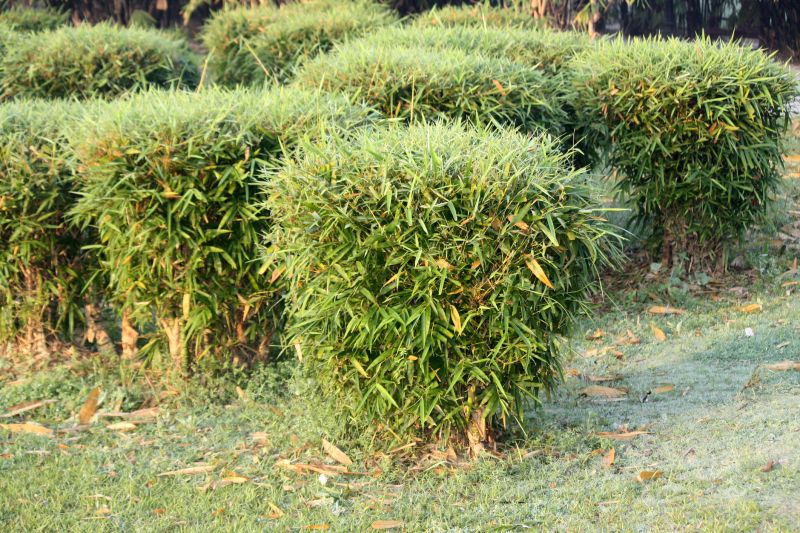
Bamboo Trimming in Honolulu, HI
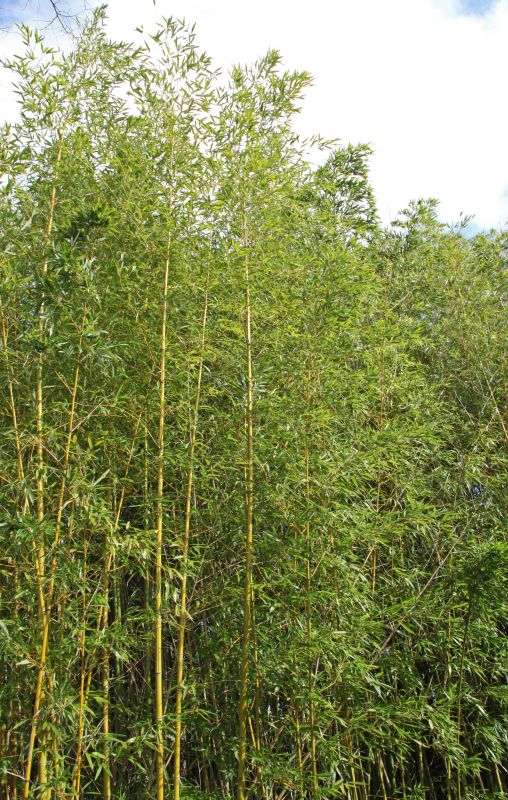
Bamboo trimming services involve carefully shaping and reducing bamboo plants to maintain their health, appearance, and safety on residential properties. This service covers a variety of projects, including removing overgrown or unruly bamboo, thinning dense clusters to improve airflow, and pruning to prevent bamboo from encroaching on neighboring areas or structures. Homeowners often seek this service to enhance their landscape’s aesthetics, prevent potential damage to nearby property, and ensure their bamboo remains manageable and healthy.
Before requesting bamboo trimming, property owners should consider the current condition and growth pattern of their bamboo. It’s helpful to understand the size, spread, and density of the bamboo stands to determine the scope of trimming needed. Additionally, knowing whether the bamboo is invasive or part of a planned landscape can influence trimming approaches. Proper trimming not only improves visual appeal but also promotes healthier growth and reduces the risk of bamboo becoming a nuisance or hazard.
Many property owners in Honolulu, HI look into Bamboo Trimming for repairs, replacements, upgrades, and appearance-related improvements.
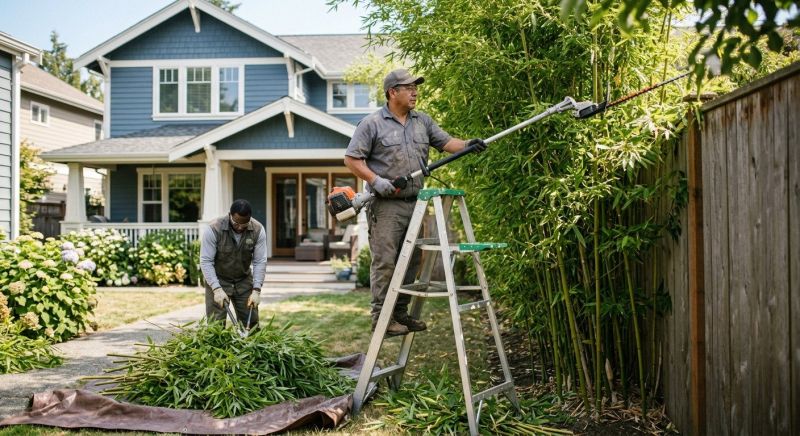
Purpose Of Bamboo Trimming
Maintaining bamboo health and preventing overgrowth in residential landscapes.

Common Trimming Techniques
Selective cutting and shaping to promote new growth and ensure safety around structures.
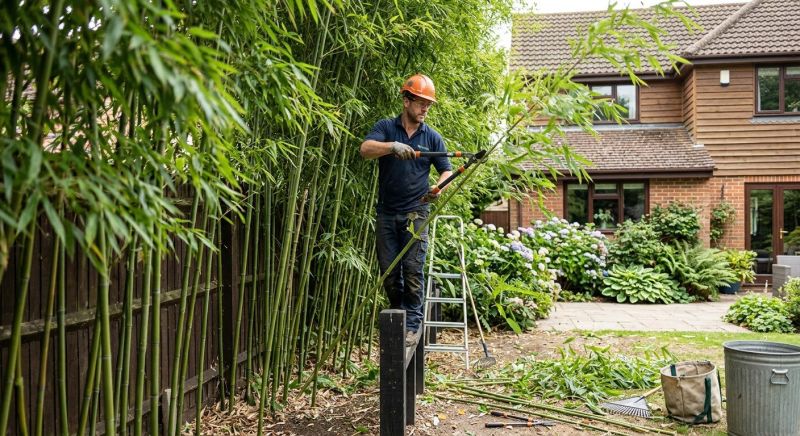
Benefits For Property Owners
Enhances curb appeal, reduces potential hazards, and keeps bamboo thriving in honolulu gardens.
Bamboo Trimming in Honolulu, HI

Bamboo trimming services involve carefully shaping and reducing bamboo plants to maintain their health, appearance, and safety on residential properties. This service covers a variety of projects, including removing overgrown or unruly bamboo, thinning dense clusters to improve airflow, and pruning to prevent bamboo from encroaching on neighboring areas or structures. Homeowners often seek this service to enhance their landscape’s aesthetics, prevent potential damage to nearby property, and ensure their bamboo remains manageable and healthy.
Before requesting bamboo trimming, property owners should consider the current condition and growth pattern of their bamboo. It’s helpful to understand the size, spread, and density of the bamboo stands to determine the scope of trimming needed. Additionally, knowing whether the bamboo is invasive or part of a planned landscape can influence trimming approaches. Proper trimming not only improves visual appeal but also promotes healthier growth and reduces the risk of bamboo becoming a nuisance or hazard.
Many property owners in Honolulu, HI look into Bamboo Trimming for repairs, replacements, upgrades, and appearance-related improvements.
Common Bamboo Trimming Jobs
Bamboo Trimming - Regular trimming helps maintain the health and appearance of bamboo plants.
Overgrown Bamboo - Trimming controls size and prevents bamboo from spreading into unwanted areas.
Storm Damage - Removing broken or damaged bamboo can reduce safety hazards and further damage.
Thinning - Thinning involves selectively trimming to improve airflow and light penetration.
Hedge Shaping - Trimming can shape bamboo into desired forms for aesthetic purposes.
Root Management - Proper trimming supports effective root control to prevent invasive growth.
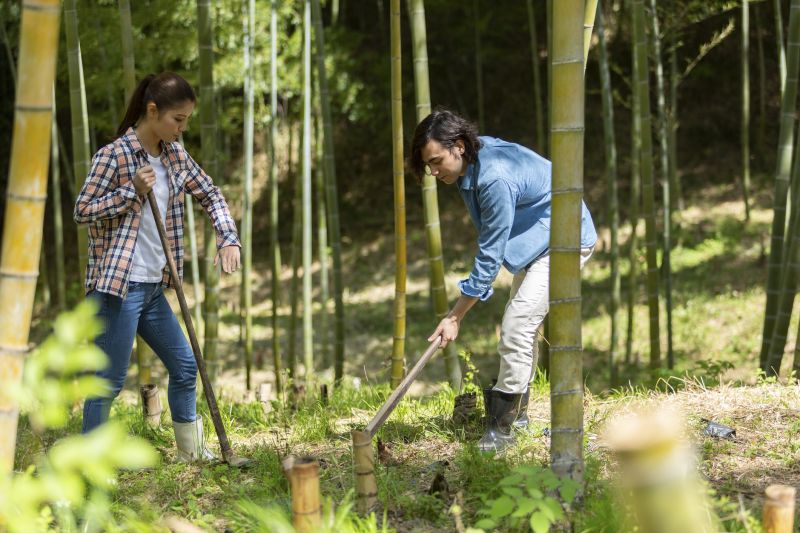
Bamboo Trimming Questions
What are the benefits of bamboo trimming? Regular trimming helps maintain bamboo health, controls growth, and improves the appearance of the landscape.
When is the best time to trim bamboo? The optimal time for trimming bamboo is during its active growing season, typically in late spring or early summer.
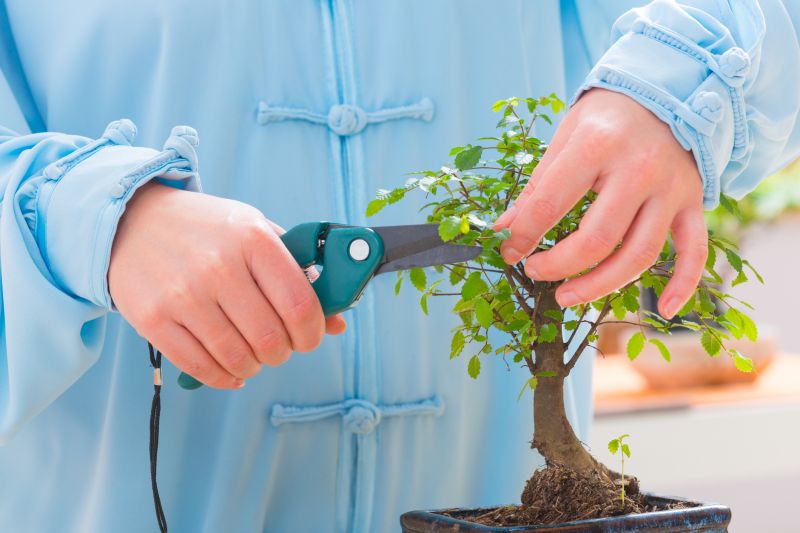
What tools are used for bamboo trimming? Sharp pruning shears or loppers are commonly used to make clean cuts and prevent damage to the bamboo.
Is bamboo trimming necessary for all types of bamboo? Yes, trimming is recommended for most bamboo varieties to promote healthy growth and prevent overgrowth.
Request Bamboo Trimming in Honolulu, HI
Use the quote form on this page to share the basics of your project and request more information for the type of work you need.